education
UPI 123PAY & IVR Payments: Enabling Feature Phone Commerce in India
How businesses, utilities, and rural commerce platforms collect payments from 400M feature phone users using NPCI's UPI 123PAY conversational IVR channels.
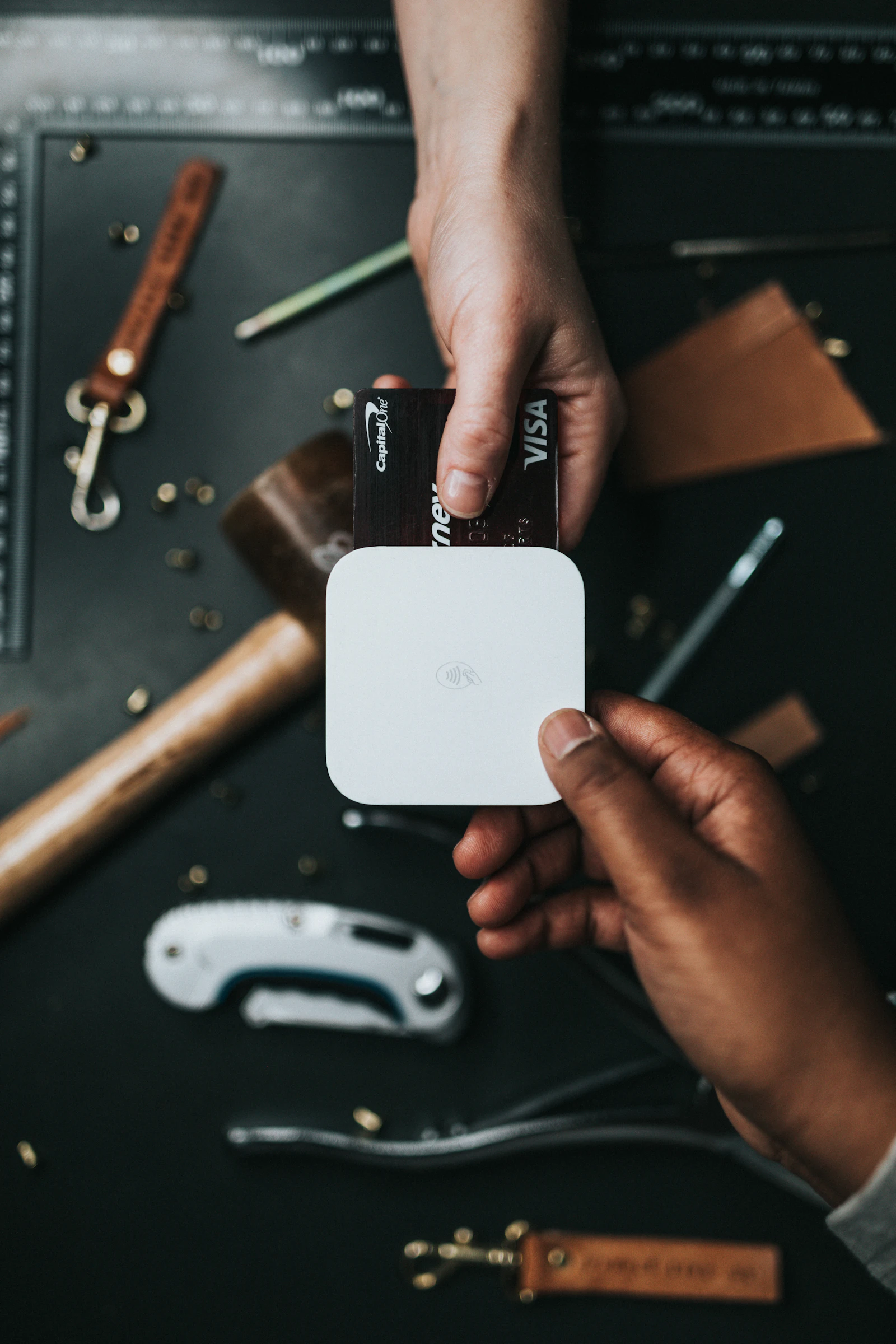
While India’s smartphone revolution has transformed urban commerce, over 400 million citizens across rural districts, farming belts, and small towns continue to rely on basic 2G/4G keypad feature phones. These devices lack touchscreens, front cameras to scan QR codes, and advanced mobile browsers.
Historically, this demographic was completely locked out of the UPI revolution. If a farmer wanted to pay for tractor spare parts or an electricity bill, they had to travel hours to an ATM or pay cash to a local middleman.
To achieve complete financial inclusion, the Reserve Bank of India (RBI) and NPCI launched UPI 123PAY.
Here is the operational guide on how UPI 123PAY works and how businesses can collect payments from non-smartphone users.
The 400 Million Feature Phone Market in India
The sheer volume of feature phone users represents a massive, underserved economic base:
Digital Payments Landscape in India:
┌─────────────────────────────────────────────────────────────┐
│ Smartphone Users (Touchscreen / Apps):         ~ 650 Million│
│ Feature Phone Users (Keypad / No App Store):   ~ 400 Million│
│ Total Population with Bank Accounts:          ~ 1.05 Billion│
└─────────────────────────────────────────────────────────────┘
For utility providers (electricity boards, cooking gas distributors), agricultural seed suppliers, microfinance institutions, and rural e-commerce companies, enabling non-app payment channels is essential for capturing tier-3 and tier-4 market share.
What is UPI 123PAY and How Does It Work?
UPI 123PAY is a three-step payment protocol designed specifically for non-internet mobile phones:
The Three-Step 123PAY Flow:
Step 1: CALL (User dials IVR number or taps call button)
Step 2: CHOOSE (User speaks or selects Merchant ID via DTMF keypad)
Step 3: PAY (User verifies amount and enters 4-digit UPI PIN)
Payments execute over telecom voice and signaling channels, settling directly between bank accounts on the central NPCI clearing switch.
The Four Technology Channels of 123PAY
NPCI deployed four distinct technologies to serve diverse rural use cases:
┌──────────────────────────────────────────────────────────────────┐
│                   The 4 Pillars of UPI 123PAY                    │
├──────────────────────────────────────────────────────────────────┤
│ 1. Interactive Voice Response (IVR):                             │
│    • Customer dials toll-free number (e.g., 08045163666).        │
│    • Navigates voice menu in 12+ regional Indian languages.     │
│    • Enters merchant code and authenticates with UPI PIN.        │
│                                                                  │
│ 2. Missed Call Pay:                                              │
│    • Merchant displays a dedicated phone number at the counter.  │
│    • Customer gives a missed call ──► Receives automated callback│
│      requesting PIN verification to authorize debit.             │
│                                                                  │
│ 3. Proximity Sound-Based Payments (ToneTag):                    │
│    • Merchant device emits encrypted high-frequency sound wave.  │
│    • Feature phone microphone captures audio wave to load bill.  │
│                                                                  │
│ 4. Embedded SIM Applets (OEM Integration):                       │
│    • Pre-installed Java / KaiOS applet embedded into phone OS.   │
└──────────────────────────────────────────────────────────────────┘
Enabling IVR Payments for Utilities & Rural Commerce
If you manage utility billing, insurance premium collection, or rural e-commerce dispatches, integrating automated IVR voice payments expands collection rates:
[Rural Customer Order #8904 Pending Payment]
                      │
                      ▼ (Outbound Automated Voice Dial)
[Telephony Server calls Customer Mobile in Hindi / Tamil / Marathi]
  └── "Namaste Ram Singh. Your solar pump installment of ₹2,500 is due.
       Press 1 to pay via your linked SBI bank account."
                      │
                      ▼ (Customer presses '1')
[IVR prompts for 4-digit UPI PIN on phone keypad]
                      │
                      ▼
[NPCI switch verifies PIN and debits bank account]
                      │
                      ▼
[Automated Webhook hits Merchant CRM: Payment Confirmed (T+0)]
The Future of Conversational Voice AI Payments
With the integration of Bhashini (India’s national language translation AI mission) and large language voice models, the future of conversational payments is moving toward pure natural language:
- A user can dial a number and say: “Send ₹400 for electricity bill” in any of 22 official Indian languages.
- The voice AI extracts the merchant entity and amount, prompting the user for numeric PIN authentication.
By maintaining open API architecture through platforms like VyaparGateway, businesses ensure that payment notifications—whether originating from high-end smartphones or basic 2G voice calls—are unified into a single, automated bank reconciliation ledger.
Direct answers
Frequently asked questions
- Can someone make a UPI payment without a smartphone or internet connection?
- Yes. Using NPCI's UPI 123PAY service, users with basic 2G feature phones (keypad phones) can make digital payments via an Interactive Voice Response (IVR) phone call, missed call services, or embedded SIM applets without needing internet access.
- How does a customer pay a merchant using UPI 123PAY IVR?
- The customer dials an authorized toll-free IVR number (such as 08045163666), speaks or types the merchant's registered phone number or billing reference, listens to the amount confirmation in their regional language, and enters their 4-digit UPI PIN on their keypad.
- What is the transaction limit on UPI 123PAY?
- Under RBI guidelines, individual per-transaction limits for UPI 123PAY typically range from ₹5,000 to ₹10,000 depending on the issuing bank, making it ideal for utility bills, micro-retail, and peer-to-peer transfers.
Build your payment flow
Explore the API and browser-only merchant tools.
Create UPI checkout orders, verify signed events, or test the free calculators and generators without exposing credentials.