high intent
UPI Payment Gateway for Real Estate — Token Money & Booking Advance via UPI
How real estate developers and property brokers in India collect token money and booking advances via UPI — with RERA compliance context and society maintenance collection.
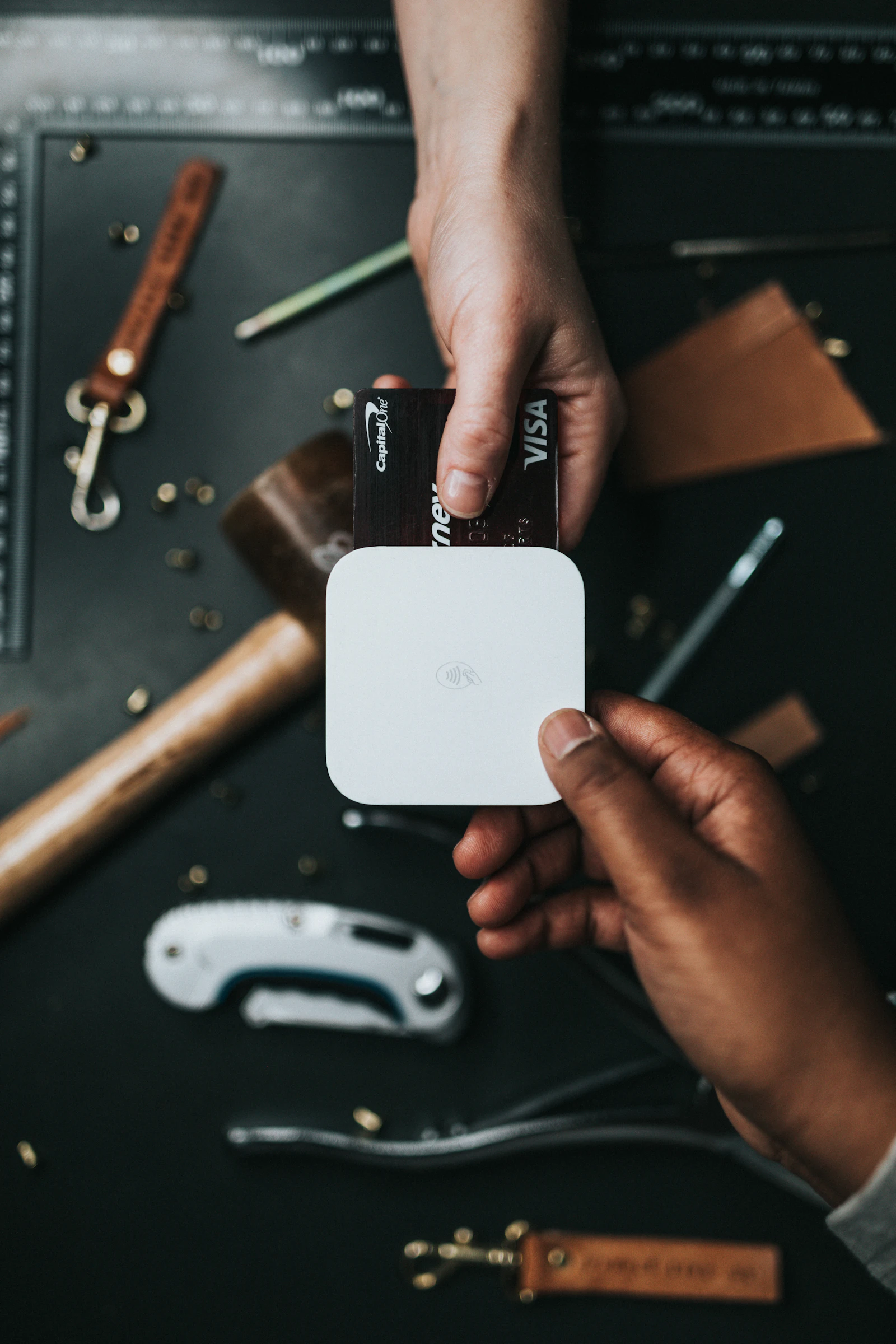
Real estate transactions in India are among the most financially significant decisions individuals and businesses make. They are also, historically, among the most cash-heavy — token money paid in envelopes, booking advances delivered in cash to avoid paper trails, undisclosed components that both buyer and seller preferred to keep off-record.
RERA (Real Estate Regulatory Authority), operational since 2017, has fundamentally changed this dynamic. Every real estate transaction related to a RERA-registered project must be traceable. Cash payments of the kind that were common pre-RERA are now a liability — for the builder, the broker, and increasingly for the buyer.
UPI is the natural answer. It creates an instant, timestamped, verifiable payment record — and VyaparGateway provides the tooling for builders, brokers, and housing societies to collect these payments professionally.
What RERA Requires: The Paper Trail Mandate
RERA’s core financial requirements for registered projects include:
- All buyer payments must be deposited in a designated escrow account (70% rule for project construction costs)
- Transactions must be traceable to the buyer’s identity
- Refund eligibility calculations depend on documented payment history
When token money and booking advances are paid via UPI with a clear description (property name, unit number, buyer name), both the builder and buyer have an unambiguous digital record that holds up in RERA grievance proceedings.
Conversely, when advances are paid in cash and later disputed, the absence of a paper trail can be catastrophic — particularly for buyers trying to claim refunds from a delayed project.
Token Money via UPI: The Standard Workflow
Token money is the first financial commitment a buyer makes — typically paid at a site visit or immediately after verbal price agreement. Here is how the UPI flow works with VyaparGateway:
- Buyer decides to book; builder’s sales team generates a payment link on the spot
- Link is titled: “Token Money — Maple Residency Tower B, Unit 504 — [Buyer Name]”
- Amount: ₹1 lakh (or as agreed)
- Buyer pays via their UPI app; confirmation is instant
- Builder’s account receives the token; sales team sends an automated receipt
The payment link can be sent via WhatsApp, SMS, or email — meeting buyers wherever they are, including those visiting the site on weekends when banking is slow.
Builder Payment Schedule: Milestone-Based UPI Links
For under-construction properties, builders typically collect payments in tranches linked to construction milestones:
| Milestone | Typical % | ₹ Value (₹70L flat) |
|---|---|---|
| Token/Booking | 5–10% | ₹3.5–₹7L |
| Agreement signing | 10–15% | ₹7–₹10.5L |
| Foundation completion | 10% | ₹7L |
| Ground floor slab | 10% | ₹7L |
| Each subsequent floor | 5–7% per floor | ₹3.5–₹5L |
| Possession | 5–10% | ₹3.5–₹7L |
VyaparGateway lets builders create milestone-specific payment links — each clearly labeled, each traceable to the buyer and unit. For a 200-unit project, this replaces a complex manual tracking system with a dashboard view of who has paid which milestone and what is outstanding.
Property Broker Commission Collection
Independent property brokers in India earn 1–2% on residential transactions and 1–3% on commercial deals. On a ₹80 lakh apartment, that is ₹80,000–₹1.6 lakh — a meaningful amount that deserves professional collection.
The current reality: many brokers still collect commission via cash or informal UPI transfer, without issuing a proper invoice. This creates two problems:
- GST risk: Brokers registered under GST (mandatory if annual income exceeds ₹20 lakh) must issue tax invoices and collect 18% GST on their commission — cash transactions make this impossible to manage cleanly
- Income disclosure: Cash commission that is not reported shows up as an AIS discrepancy when the buyer claims stamp duty benefits that reference the property value
VyaparGateway lets brokers generate a professional payment link with their invoice number in the description. The buyer pays via UPI, the broker has a clean digital receipt, and GST compliance is maintained.
Society Maintenance Advance: The RWA Use Case
Residential Welfare Associations (RWAs) managing housing societies face their own collection challenge: monthly or quarterly maintenance charges from hundreds of flat owners.
Common society maintenance structures:
- Monthly: ₹2,000–₹8,000 per flat (metro cities)
- Quarterly: ₹6,000–₹24,000
- Annual advance: Some societies collect 3–6 months in advance for working capital
VyaparGateway supports RWAs by providing a unique payment link per flat owner (or a shared society QR code where the flat owner enters their flat number in the payment description). The dashboard gives the RWA secretary a real-time view of who has paid — eliminating the monthly maintenance-collection register and cash handling.
Digital Paper Trail: Protection for Both Buyer and Builder
One of the less-discussed benefits of UPI for real estate is dispute resolution. When a buyer approaches RERA with a complaint about a builder — delayed possession, amenity not delivered — the payment history is central to the case.
UPI transactions provide:
- Exact date and time of each payment
- Amount paid
- Sender’s UPI ID (buyer identity)
- Transaction reference number
This is superior to bank transfer records (which require bank statements) and dramatically better than cash receipts (which can be disputed). For buyers investing ₹30 lakh to ₹3 crore in a property, having every payment documented via UPI is genuine financial protection.
VyaparGateway brings this documentation discipline to real estate payments — whether you are a builder managing 500 units, a broker collecting commission, or an RWA secretary chasing maintenance arrears.
Direct answers
Frequently asked questions
- Is UPI token money payment valid for RERA compliance purposes?
- Yes. UPI creates a verifiable digital transaction record with timestamp, amount, and sender details — all of which satisfy RERA's requirement for traceable transaction records. A UPI payment with a clear description (property name, unit number) is as legally valid as an NEFT/RTGS transfer for documentation purposes.
- What is the typical token money amount in Indian real estate?
- Token money in India typically ranges from ₹10,000 to ₹5 lakh depending on the property value and location. For affordable housing (sub-₹50 lakh), token amounts are ₹10,000–₹50,000. For mid-segment properties (₹50 lakh–₹1.5 Cr), token money is ₹50,000–₹2 lakh. For luxury properties above ₹2 Cr, tokens of ₹2–₹5 lakh are common.
- Can property brokers collect their commission via UPI?
- Yes. Property brokers are independent service providers and can collect their commission (typically 1–2% of transaction value for residential properties) via a UPI payment link. VyaparGateway lets brokers generate professional payment links with invoice references — useful for the GST invoice that brokers registered under GST must provide.
Build your payment flow
Explore the API and browser-only merchant tools.
Create UPI checkout orders, verify signed events, or test the free calculators and generators without exposing credentials.