growth
UPI Payment Gateway for Online Courses in India — EdTech & LMS Integration
Indian course creators and edtech platforms can sell courses and manage batch enrollments via UPI payment links — without complex LMS payment gateway integrations.
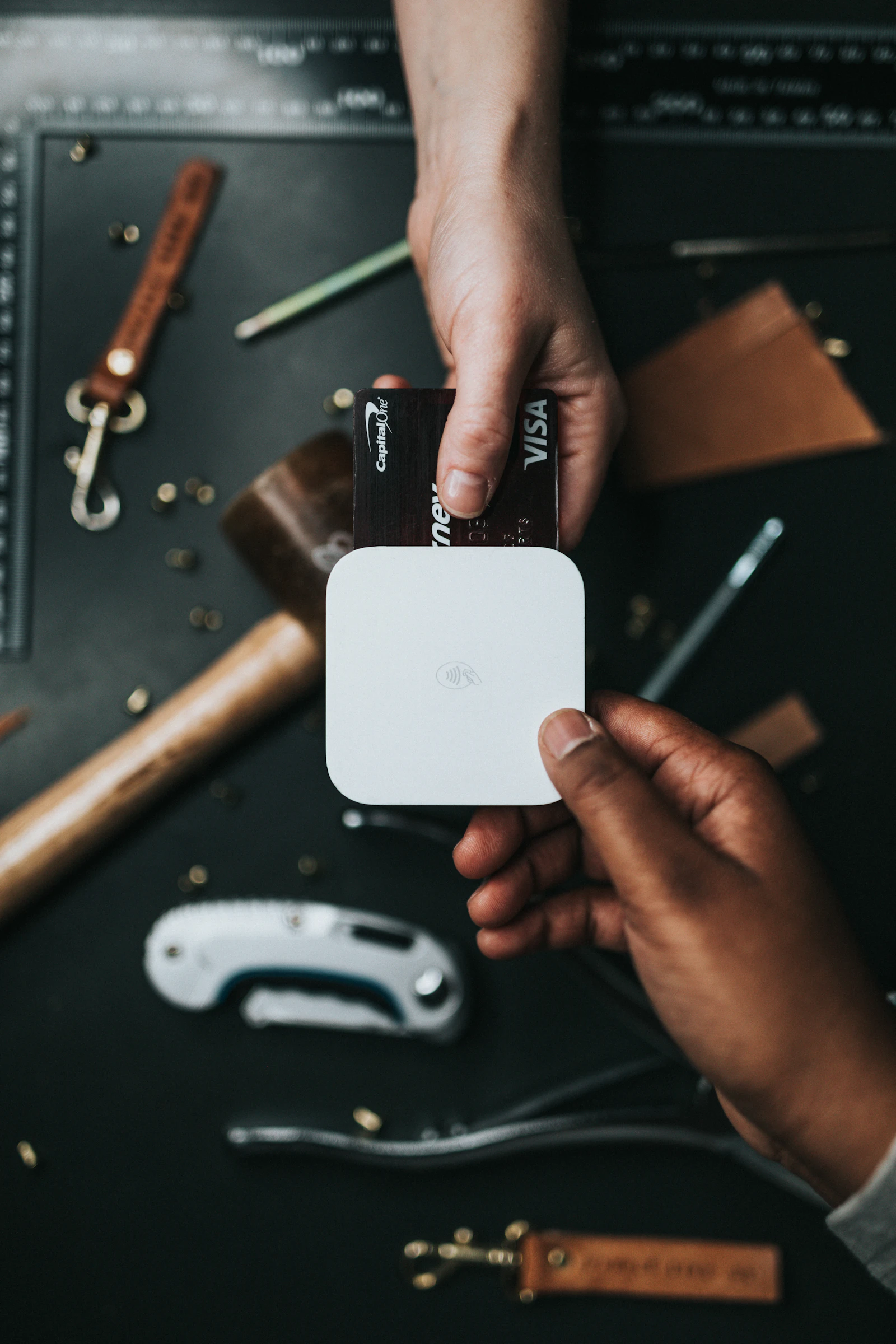
India’s edtech market is projected to cross ₹2.8 lakh crore by 2030, yet the payment infrastructure for the vast majority of course creators — solo educators, YouTube teachers, fitness coaches, skill trainers — remains patchwork and inefficient. Large platforms like Unacademy, BYJU’s, and upGrad have their own payment systems. But the independent creator with 2,000 engaged followers and three well-designed courses is navigating a gap between complex gateway integrations and the simplicity of WhatsApp + UPI.
The LMS Checkout Problem for Indian Creators
Platforms like Teachable, Thinkific, and Kajabi dominate the international online course space but have limited UPI support for Indian customers. Their checkout flows default to Stripe, which requires international credit cards or bank accounts. Indian students see a checkout page that doesn’t accept their UPI app — and drop off.
Even domestic alternatives have friction:
- Razorpay Payment Pages require merchant account setup, KYC, and configuration time
- Instamojo works but has limited customisation
- Building a full LMS with UPI checkout from scratch requires developer resources most creators don’t have
The result: many Indian course creators collect payment via a WhatsApp message, then manually share course access — an approach that works at ₹50K-2L per month revenue but breaks down at higher scale.
How Indian Creators Use Payment Links for Enrollment
The practical workflow that many creators have converged on:
- Landing page or social post announces the course with details, curriculum, and price
- Interested student sends a WhatsApp or Instagram DM expressing intent to enroll
- Creator sends a payment link for the exact course fee (e.g., ₹2,499 for a photography course)
- Student pays via UPI from their preferred app — no card, no OTP, just a 4-6 digit PIN
- Payment confirmed on the creator’s dashboard
- Creator shares access: Google Drive folder link, YouTube playlist (unlisted), Notion page link, or login credentials for the LMS
This five-step process takes under 10 minutes per student and requires no technical integration. For batch courses with fixed start dates, all enrollments received before the cutoff are confirmed; latecomers are waitlisted for the next batch.
WhatsApp Group and Telegram Channel Access
Paid community access is a growing monetisation model within course businesses:
- A fitness trainer charges ₹799/month for a WhatsApp group with daily workout plans and nutrition guidance
- A stock market educator charges ₹1,499/month for a Telegram channel with daily trade setups and educational content
- A language tutor charges ₹599/month for a WhatsApp study group with weekly live sessions
The payment link workflow:
- Send a monthly renewal payment link to all group members on the 25th
- Members who don’t renew by the 1st are removed from the group
- New members pay via payment link and are added after confirmation
This removes the awkward money-asking from the group conversation and keeps the community focused on content.
Google Sheets Enrollment Tracking
For creators managing 20-200 students per batch, a Google Sheet linked to VyaparGateway payment data serves as a lightweight student management system:
- Column A: Student name
- Column B: Mobile number
- Column C: Email
- Column D: Course name
- Column E: Amount paid
- Column F: Payment date and transaction ID
- Column G: Access shared (Y/N)
When a payment arrives, the transaction shows in the VyaparGateway dashboard with the student’s name and phone number (if entered as a reference note). The creator updates the sheet and shares course access. At month-end, the sheet exports to Excel for GST accounting.
Batch Enrollment Workflow
For live cohort-based courses — common in coding bootcamps, MBA preparation, and professional skill courses — a structured batch enrollment process works well:
- Early bird phase (30 days before): Payment link at ₹3,999 with early bird discount (original ₹5,999)
- Regular enrollment (14 days before): Payment link at ₹5,999
- Last chance (7 days before): Final seats at ₹5,999 + ₹500 materials fee
Separate payment links for each phase allow the dashboard to show how many students enrolled at each price point. If the batch target (say, 40 students) is reached before deadline, the payment link can be deactivated and a waitlist link shared instead.
GST on Digital Educational Services
The GST framework for digital courses in India:
- 18% GST applies to digital educational content sold by private individuals and companies
- GST registration mandatory if annual turnover exceeds ₹20 lakh
- Formal school/college education is exempt; individual coaching and private courses are not
- Course fee must be stated as “base fee + 18% GST = total”
For a creator charging ₹2,499, the GST component is ₹381 per enrollment — payable quarterly. Building clean payment infrastructure before hitting the GST threshold makes compliance considerably easier when the time comes.
Refund Policy Communication
Digital goods pose unique refund challenges. Once a student has access to course content, the “goods” cannot be returned. Best practices:
- State the refund policy explicitly at the payment step: “7-day no-questions-asked refund if you haven’t completed more than 20% of the course”
- Include refund terms in the payment link confirmation message via WhatsApp
- Process refunds directly to the student’s bank account via UPI transfer with a reference noting the original transaction ID
Clear refund policies, communicated before payment, reduce disputes and build trust — the most effective marketing channel for independent course creators in India.
Direct answers
Frequently asked questions
- Do I need a payment gateway integration to sell online courses via UPI?
- No. Many Indian course creators use VyaparGateway payment links shared via WhatsApp or email. The student pays via UPI, and the creator confirms enrollment manually or via a simple Google Sheet tracker linked to payment notifications.
- Is GST applicable on online courses sold in India?
- Yes. Digital educational services attract 18% GST in India. Creators earning above ₹20 lakh annually must register for GST. Note that formal educational institution services are exempt, but digital courses sold by individuals or private companies are taxable.
- How do I handle refunds for online courses collected via UPI?
- Refunds for UPI course payments are processed as direct bank transfers back to the student's UPI-linked account. Include a clear refund policy at enrollment — typically no refund after 7 days of access, or a pro-rata refund for annual subscriptions.
Build your payment flow
Explore the API and browser-only merchant tools.
Create UPI checkout orders, verify signed events, or test the free calculators and generators without exposing credentials.